Can Fotona Laser Treat Melasma? A Malaysia Guide for Asian Skin

1 more
Fotona Laser Malaysia × Pigmentation Guide
Can Fotona Laser Treat Melasma? A Malaysia Guide for Asian Skin
A doctor-led explanation of melasma, Fotona laser options, pigmentation risk, realistic recovery and the questions Malaysian patients should ask before treatment.
The short answer: Fotona laser may be considered for selected melasma or pigmentation cases, but it is not a universal cure and it should not be chosen from a machine name alone. Melasma is a chronic, often relapsing pigment condition. A suitable plan starts with diagnosis, an assessment of triggers and skin type, conservative settings, sun protection and follow-up.
A useful safety principle: If a clinic promises that every patient will have the same result, the same number of sessions or permanent clearance, ask for a more personalised explanation. Published information can support a consultation; it cannot replace one.

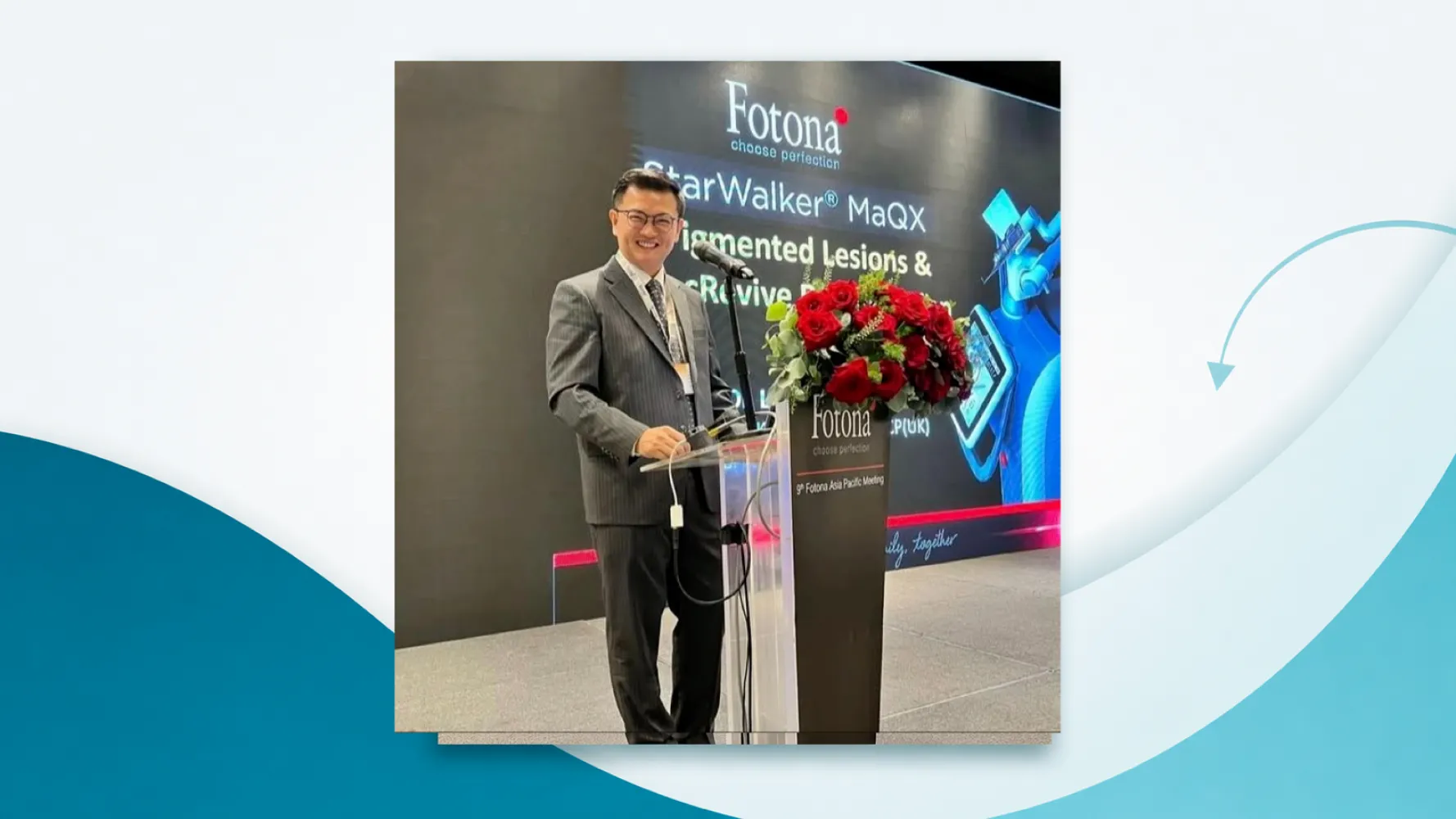
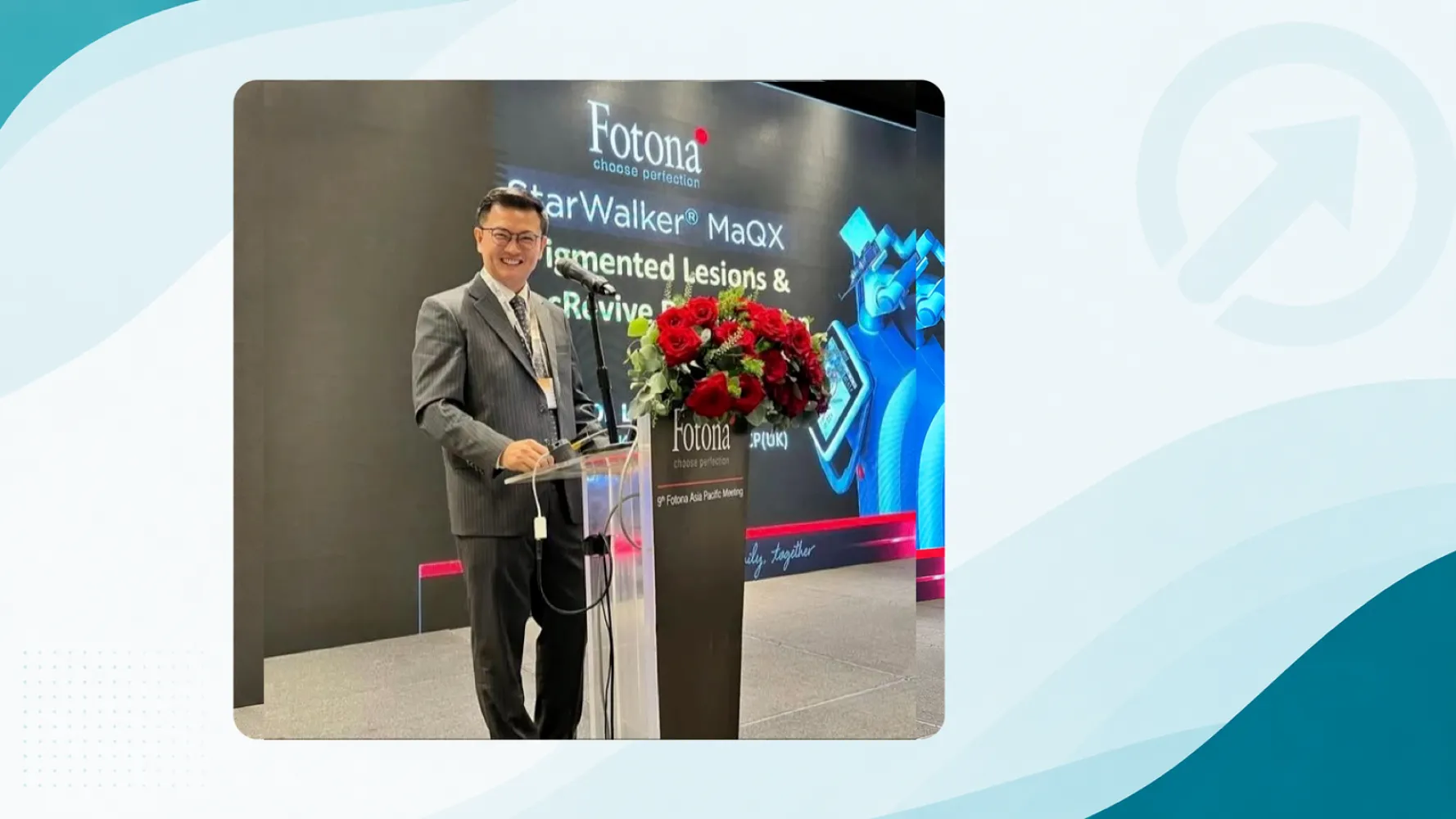
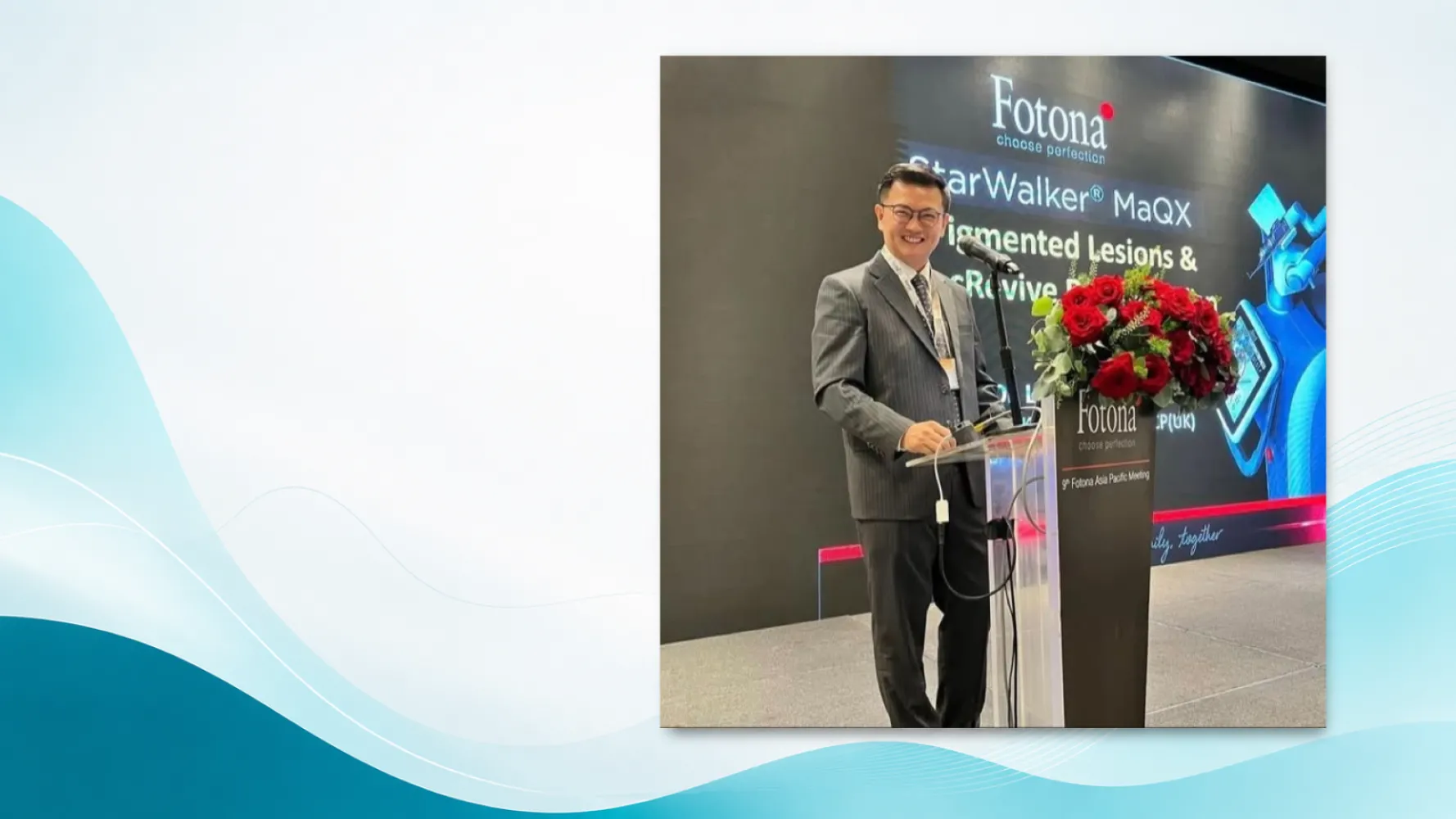
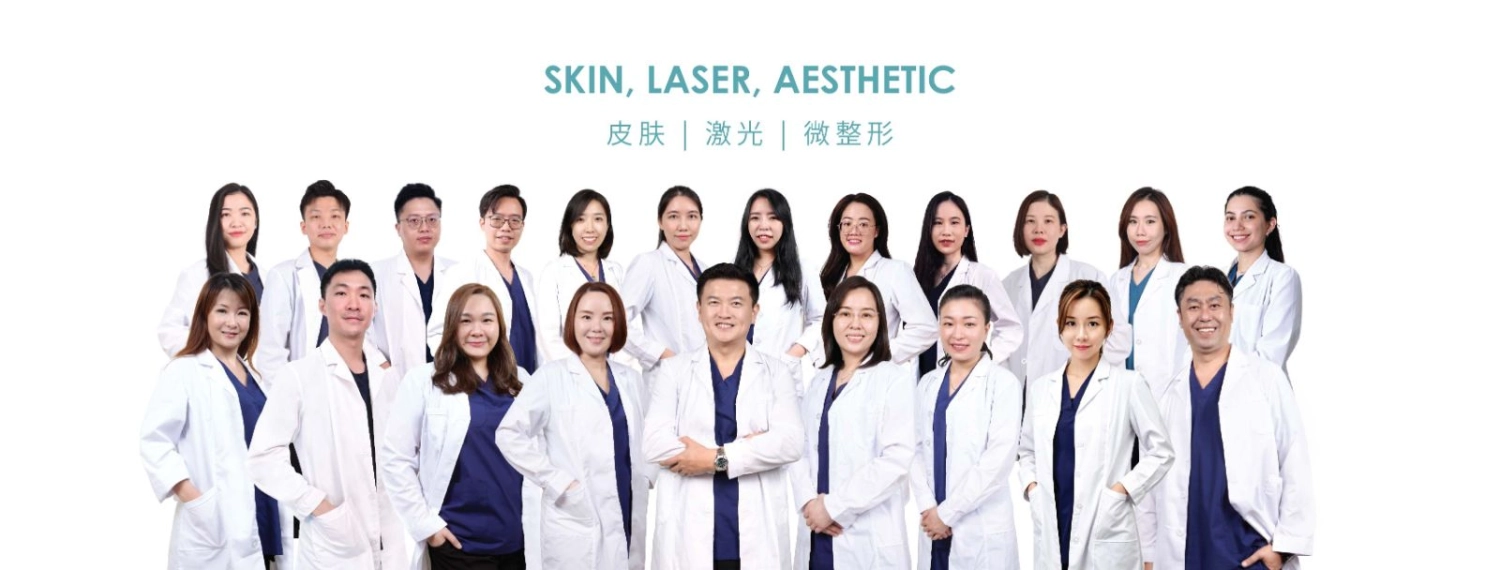
Real-photo context: official Dr. Lucas Chia profile photograph from IDO’S Clinic’s public Our Doctors gallery. It identifies the doctor-led clinical context and is not a patient before-and-after photograph or a treatment result.
01 — Start with the condition, not the device
Why melasma needs a proper assessment
Melasma commonly appears as brown or grey-brown patches on the face, often on both sides. Similar-looking pigmentation can have different causes, and the correct diagnosis matters before any laser is considered. Your doctor may ask about pregnancy or hormonal changes, medicines, sun and visible-light exposure, previous peels or lasers, skincare reactions and how the pigmentation has changed over time.
The aim is to understand whether laser fits the overall plan and whether the skin is calm enough for a procedure. For some patients, the first step may be trigger control, topical care or observation rather than immediate laser.
Asian skin matters
The goal is controlled improvement, not aggressive treatment
Asian skin can be more vulnerable to post-inflammatory hyperpigmentation after irritation or excessive heat. A doctor should explain why a wavelength, pulse mode, fluence, interval and aftercare plan are being considered for your skin—not simply copy a setting seen online.
Ask this
“What could make my pigmentation worse?”
A trustworthy consultation includes limits, warning signs and a plan for adjusting or postponing treatment if the skin is irritated.
02 — Understand what Fotona information can and cannot say
What does Fotona laser do for melasma?
Fotona’s patient-facing melasma information describes multi-pulse Nd:YAG approaches that can target pigment-related pathways and inflammation, and it notes that a typical course may involve several sessions. Its technology pages also describe Q-switched Nd:YAG and KTP wavelengths for different pigment depths. These are manufacturer explanations, not a promise that one protocol suits every Malaysian patient.
A Laser & Health Academy lecture by Dr. Lucas Chia discusses recalcitrant melasma and combinations involving fractional Erbium:YAG, fractional Q-switched Nd:YAG and long-pulsed KTP. That professional education is useful background, but the lecture itself does not remove the need for individual diagnosis, informed consent and follow-up.
The practical question is not “Which laser is strongest?” It is “Which approach, if any, is appropriate for this diagnosis and this skin today?”
03 — Know what recovery may involve
Sessions, downtime and aftercare: what should you ask?
How many sessions?
Manufacturer information often describes a course rather than a one-off visit, but the right number depends on the diagnosis, response and treatment plan. No clinic should convert a general range into a guaranteed result.
What will my skin look like afterwards?
Ask about expected redness, sensitivity, darkening or small crusts, and what would be unusual. Fotona’s public melasma page mentions possible short-term erythema and small scabs, but your clinician should explain the protocol actually being considered.
How do I protect the result?
Ask about broad-spectrum sunscreen, heat and sun exposure, visible light, skincare products, exercise, picking or rubbing the skin and the timing of your review. Relapse prevention is part of melasma care, not an optional extra.
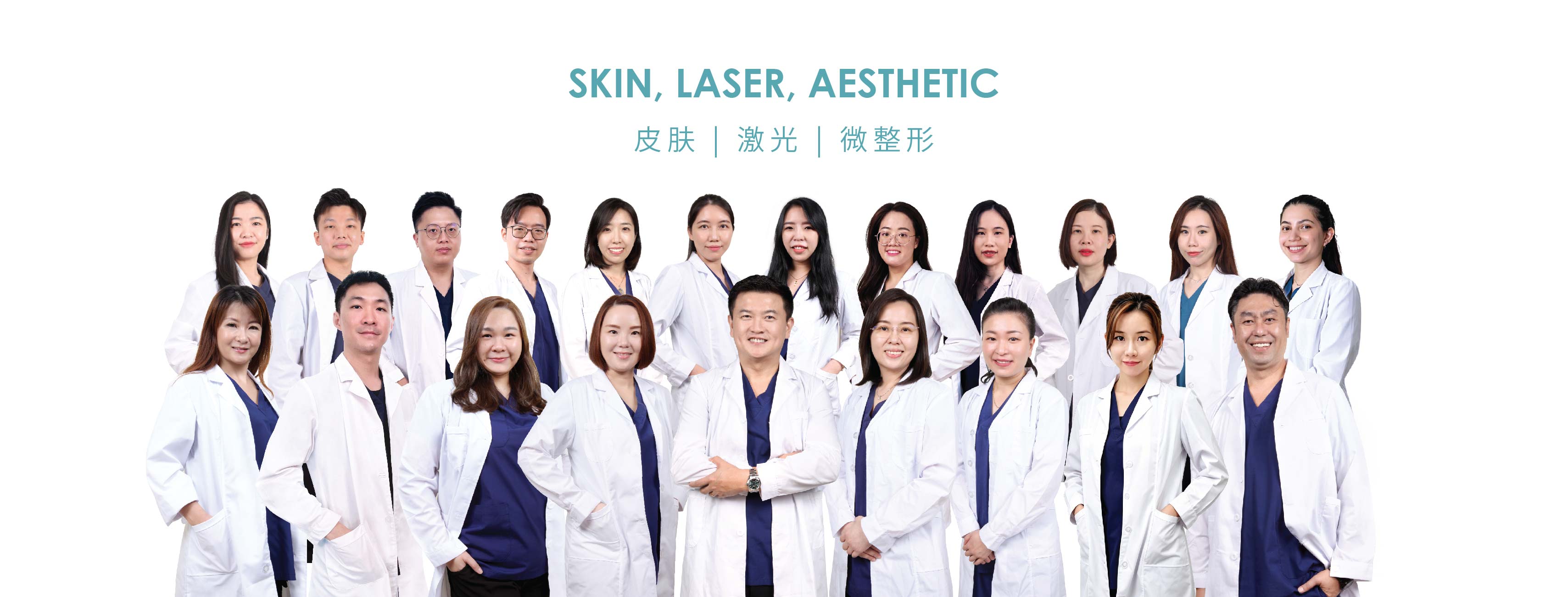
Real official IDO’S Clinic doctors-team photograph from the public Our Doctors gallery. It is included to show the clinic’s doctor-led setting, not to imply a particular patient outcome.
04 — A consultation checklist for Malaysia
Seven questions to bring to a Fotona melasma consultation
01
What is the likely diagnosis? Ask what makes the doctor think it is melasma rather than another pigment condition.
02
Why is laser being considered now? Understand how it fits with skincare, sun protection and any previous treatment.
03
Which Fotona platform and mode are relevant? Ask for a plain-language reason, not only a branded treatment name.
04
What are my pigmentation risks? Ask how skin type, inflammation and previous reactions change the plan.
05
What improvement is realistic? Agree on what will be reviewed and avoid promises of permanent clearance.
06
What is the aftercare and review plan? Ask when you should contact the clinic if the skin reacts unexpectedly.
07
Who will review my progress? A review makes it possible to continue, modify or stop a plan responsibly.
Common questions
Fotona laser for melasma FAQ
Is Fotona laser a permanent cure for melasma?
No. Melasma can relapse, especially with sun, heat, hormones or irritation. A realistic plan focuses on control, monitoring and long-term prevention rather than a permanent-cure promise.
Is laser safe for Asian skin?
Laser can be considered for selected patients, but post-inflammatory hyperpigmentation and relapse are important risks. Safer care depends on diagnosis, conservative planning, appropriate equipment and experienced follow-up.
How many Fotona sessions will I need?
There is no universal number. Fotona’s own public information describes a multi-session course for its melasma treatment, while your doctor should decide what is appropriate based on your diagnosis and response.
How can I enquire about Fotona laser in Malaysia?
Contact IDO’S Clinic for an individual consultation. Share your concern, previous procedures, medical history, current skincare and preferred downtime so the medical team can advise whether an assessment is appropriate.
Sources & further reading
Medical information notice: This article is for general education and does not diagnose melasma, prescribe a laser setting or replace an individual medical consultation. Treatment suitability, recovery and results vary between patients.
11 Sep 2026